
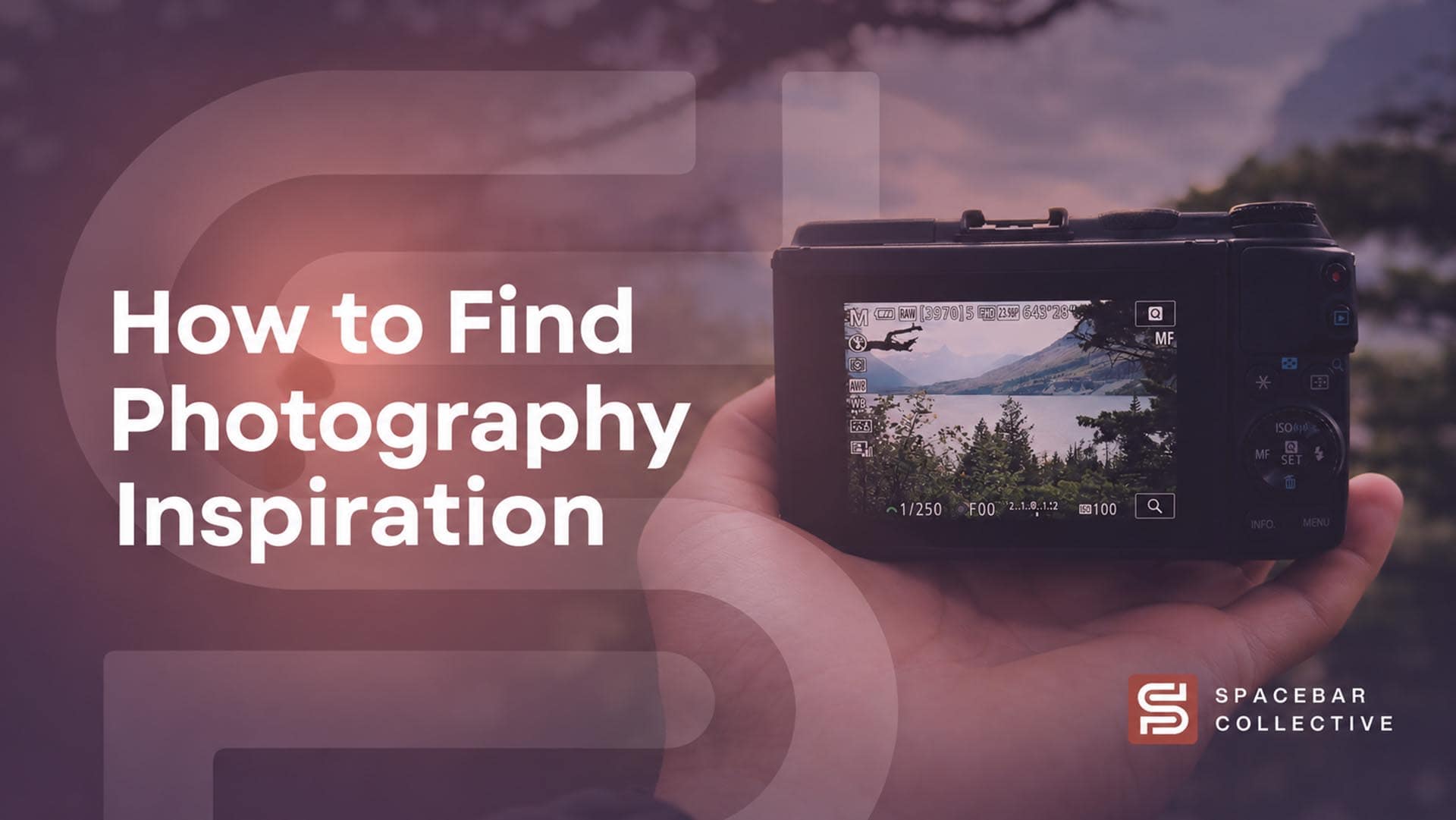

Creative blocks don’t mean your talent has dried up. They usually mean you’ve been operating inside the same patterns for too long, and your brain is quietly asking for something new. The good news is that breaking out of a rut is a skill you can practice.
Here are ten techniques that work, whether you’re a working professional between client shoots or a hobbyist who hasn’t touched their camera in weeks.
1. Generate Composition Ideas Using AI
Staring at a blank page while waiting for inspiration to strike rarely works. An AI image generator lets you type in a concept, describe a mood, or combine unexpected elements and instantly see a visual reference. Try prompts like “abandoned greenhouse at golden hour” or “street portrait with heavy shadow contrast” and study what comes back.
Creative professionals in other fields are already using AI to generate new ideas and speed up repetitive parts of the creative process, and photographers can take a similar approach without handing over the creative direction entirely.
Pay attention to the framing, the way light interacts with the scene, and how different elements are arranged. Then use those references as a springboard for your own shoots. The generated image isn’t the final product. It’s the creative brief you write for yourself.
2. Revisit the Photographers Who Inspired You
Think about the images that originally made you fall in love with photography. What was it about their work that resonated? The use of light? The way they framed ordinary scenes? Go back to those photographers with fresh eyes. Study their contact sheets and behind-the-scenes interviews, not just the final selects. Understanding their process, not just their output, will give you far more to work with than admiration alone.
3. Start a Personal Project
Client work comes with briefs and expectations, but personal projects come with freedom. Choose a theme that genuinely excites you, something specific enough to give you direction but broad enough to explore. “Doors of my neighborhood,” “portraits of strangers who say yes,” “one photo every day at the same intersection.” Constraints like these sound limiting, but they actually force creative problem-solving, which is exactly what a stuck brain needs.
4. Study Photographs
Some compositions remain powerful decades later because they speak a visual language that transcends trends. Spend time with the work of photographers like Vivian Maier, Fan Ho, or Gordon Parks.
Don’t just admire the images. Analyze them.
Where is the eye drawn first? How does the frame use negative space? You can even use Pixa to reimagine classic styles with a modern twist, drawing on the past while creating something entirely fresh and contemporary.
Studying how experienced photographers use composition, lighting, staging, and storytelling in their product photos can also give you practical techniques to experiment with in your own work.
5. Shoot Without a Plan
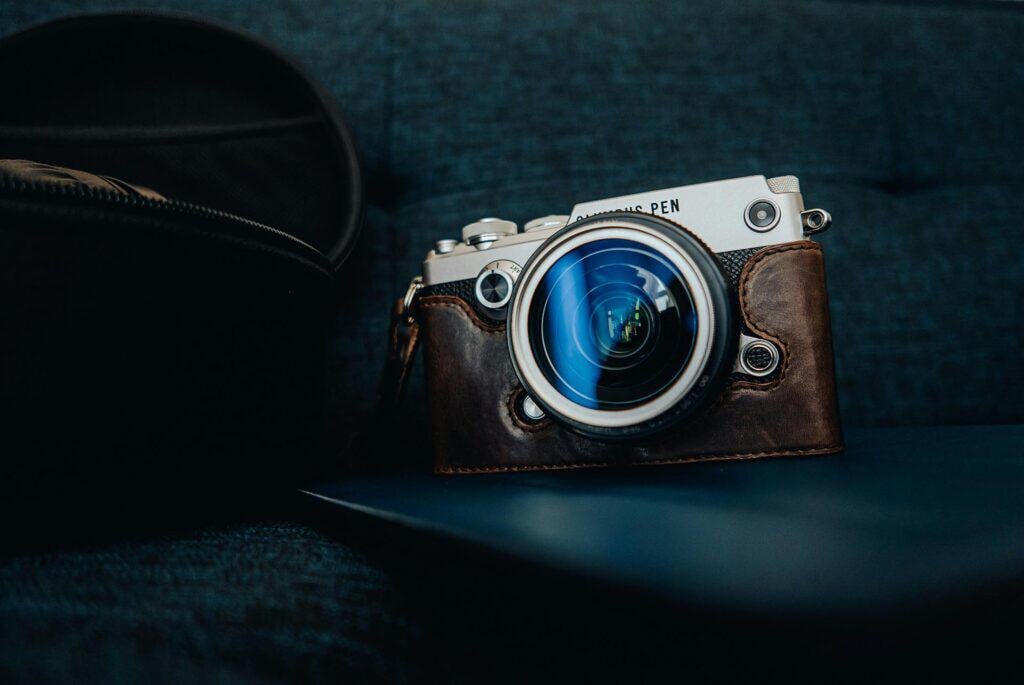
Give yourself permission to pick up the camera with zero agenda. No shot list, concept, or expectation of keeping anything. Head somewhere familiar and force yourself to find ten frames you’ve never noticed before. The point isn’t to produce portfolio work. It’s to rebuild the habit of seeing, which is the muscle that atrophies fastest during a creative block.
6. Cross-Train in Another Creative Medium
Painters think about color relationships differently than photographers do. Writers think about narrative arcs. Musicians think about rhythm and pacing. Spending time in a different creative discipline introduces you to problem-solving frameworks your photography brain hasn’t encountered, and those ideas have a way of showing up in your next shoot without you consciously trying.
7. Shoot With Other Photographers
Watching someone else approach the same subject you’re looking at can be genuinely eye-opening. They’ll frame shots you would have walked past, and you’ll do the same for them. Join a local meetup, organize a casual photo walk, or simply invite a friend. Shared enthusiasm tends to make creativity flow in ways that solo shooting sometimes can’t.
8. Change Your Environment
You don’t need an international trip. A drive to a nearby town you’ve never explored, a walk through an unfamiliar neighborhood, or even a different route through your own city can reset your visual habits. Travel forces you into a state of active observation, and that heightened awareness is arguably the best condition for strong photography.
9. Level Up Your Editing Skills
Sometimes you can capture images just fine but struggle with realizing your vision in post-production. Dedicating time to learning new editing techniques gives you more confidence to experiment in-camera because you know you can follow through on ambitious ideas afterward.
Pixa makes this more accessible with features like generative fill, background removal, and image upscaling, tools that let you push edits further without needing advanced Photoshop expertise.
10. Take a Course
Structured learning gives you two things a creative block actively suppresses: new knowledge and a sense of forward momentum. Online platforms offer courses at every skill level and price point, from lighting fundamentals to advanced compositing. Even a short workshop can reintroduce the feeling of growth that keeps you motivated.
The Best Shot is Always the Next One
Creative blocks are a natural part of the process, not a sign that something is broken. They pass when you stay curious, keep experimenting, and remain open to finding inspiration in unexpected places.
Pixa is built to support that process, putting AI-powered tools in your hands to help you ideate, visualize, and push your work further. So the next time the ideas aren’t flowing, pick one technique from this list, grab your camera, and go shoot something.